Lead with protein
GLP-1s reduce appetite, which is the point — but it also makes it easy to under-eat, especially protein. Prioritizing protein at each meal helps protect muscle while you lose fat, which matters for keeping the weight off later. Think eggs, Greek yogurt, fish, poultry, tofu, and legumes before you fill up on anything else.
Foods that ease nausea
Early on, smaller and more frequent meals usually sit better than large ones. Blander, lower-fat foods are gentler on a slowed stomach, and many people find ginger or peppermint tea helpful. Eating slowly and stopping at comfortably full — not stuffed — goes a long way.
Hydration and fiber
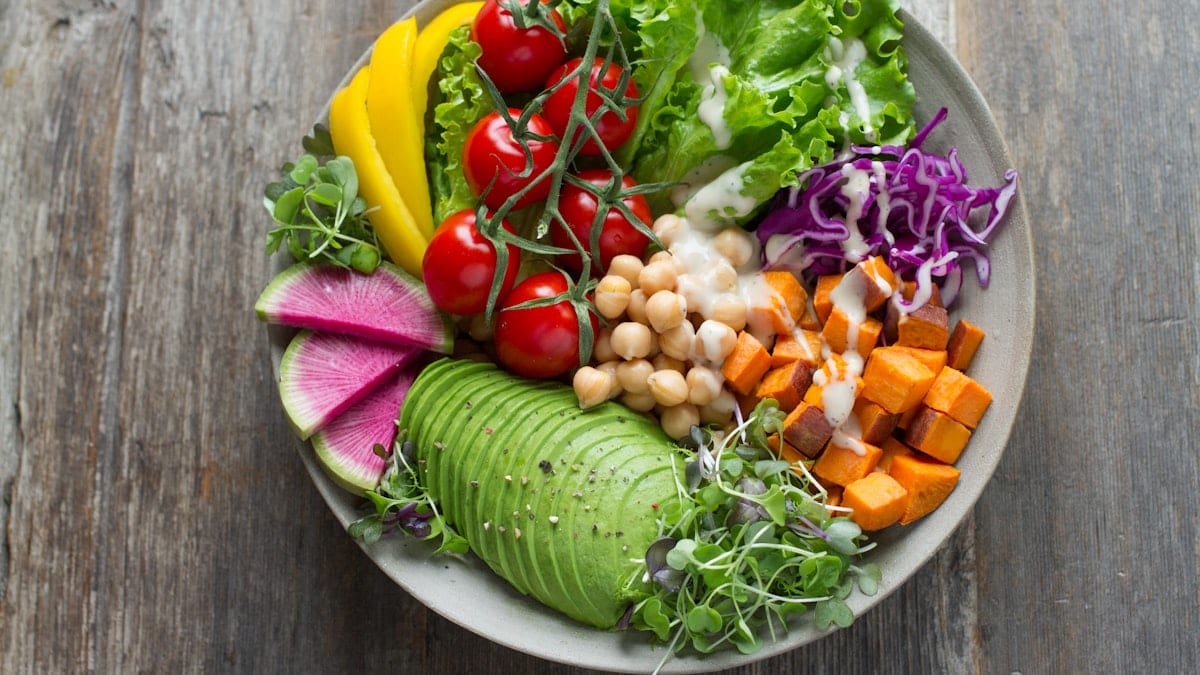
It's easy to drink less when you're less hungry, so make a point of staying hydrated through the day. Fiber from vegetables, fruit, and whole grains helps with the constipation some people notice, and supports steadier energy alongside your protein.
What to go easy on
Very fatty, fried, or heavily sugary foods, large portions, and alcohol tend to worsen nausea and reflux while your body adjusts. You don't have to be perfect — just notice what your stomach tolerates and lean toward the gentler options. This is general information, not personalized nutrition advice; your provider or a dietitian can tailor it to you.