Starting low is by design
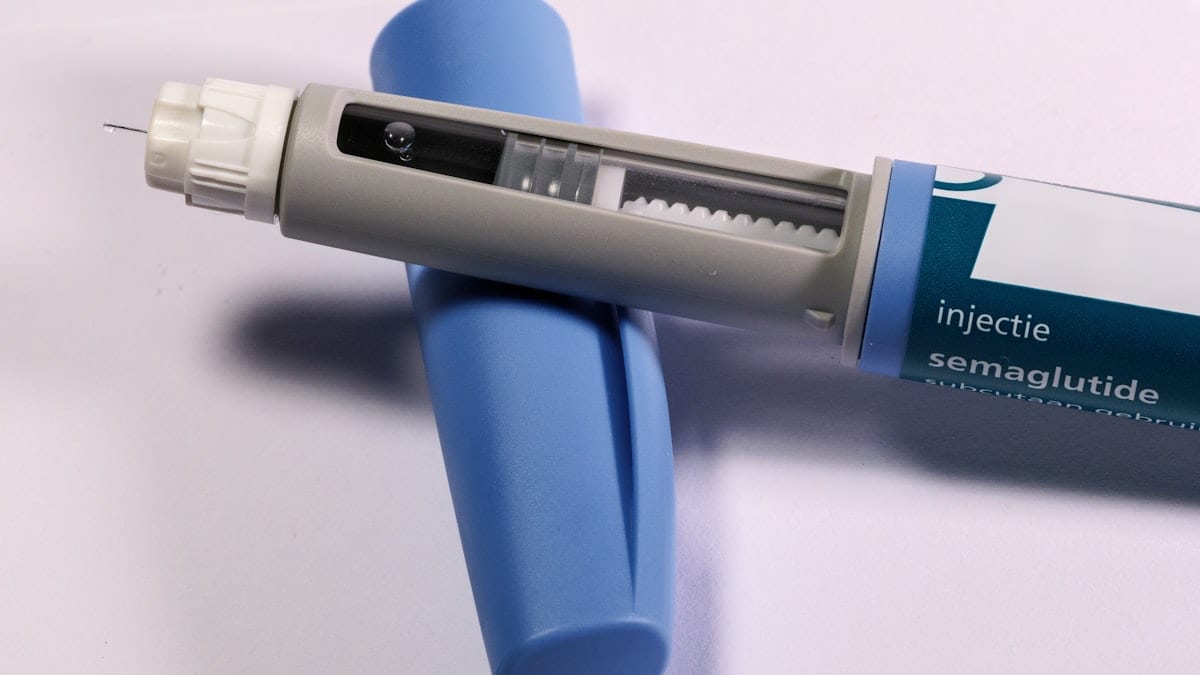
One of the most common surprises in the first month is that the starting dose is deliberately low and is not the dose that produces most of the weight loss. Semaglutide for weight management typically begins at 0.25 mg once weekly, and tirzepatide typically begins at 2.5 mg once weekly. These starting doses are chosen to help your body adjust, not to maximize results right away.
From there, the dose is increased gradually, usually no sooner than every four weeks, in a process called titration. This slow ramp is intentional and is the main reason side effects stay more manageable. Understanding this upfront helps set realistic expectations: the first month is largely a getting-started phase.
Week by week: how the first month can feel
Experiences vary, but a common pattern is that the first days after the initial injection bring the most noticeable adjustment. Mild nausea, reduced appetite, burping, or changes in bowel habits are common early on. For many people these symptoms are mild and ease over the following days and weeks.
Because most people spend the entire first month at the lowest starting dose, symptoms often settle into a routine before the first dose increase. When the dose does go up, a brief return of mild side effects is common as the body adjusts again.
If side effects are difficult, a supervising clinician can slow the titration schedule or hold the dose steady longer. There is no prize for rushing, and pushing the dose up too fast is a common cause of avoidable side effects.
Appetite and food changes
The most noticeable effect for many people in the first month is not the scale but a change in appetite. Meals may feel satisfying sooner, portions that once felt normal may feel like too much, and the frequent thoughts about food that some people call food noise may quiet down.
These appetite changes are a direct result of how GLP-1 medications work. It helps to lean into them constructively: eating slowly, choosing balanced meals with adequate protein, staying hydrated, and stopping when comfortably full rather than stuffed. Because appetite drops, some people unintentionally under-drink, so keeping up fluid intake is worth attention.
This is also a good time to build the habits that support long-term results, since the medication works best alongside nutrition and activity changes rather than on its own.
Realistic early weight change
It is important to keep expectations grounded. In the first month, most people are still at low starting doses, so early weight change is often modest, and week-to-week fluctuations from hydration, sodium, and other factors are normal. Some people see little movement at first, and that does not mean the medication is not working.
The clinical trials that established these medications measured results over roughly 16 to 18 months, not weeks. The larger average weight loss reported in those studies accumulated gradually as people reached higher maintenance doses and stayed on treatment. Judging success by the first few weeks sets an unrealistic bar.
There are no guaranteed outcomes, and individual responses vary widely. A steady, gradual trajectory is the realistic and healthy expectation, not a rapid drop.
Why check-ins matter
Regular check-ins with your supervising clinician are especially valuable in the first month. They allow your provider to review how you are tolerating the medication, decide when and whether to increase the dose, address side effects, and confirm the treatment remains appropriate for you.
This ongoing supervision is a core part of using GLP-1 medications safely and is one reason the legitimate path involves a valid prescription, a licensed clinician, and a licensed US pharmacy. Your first month is the foundation of a longer process, and having a clinician guide it makes that process safer and more effective.
This article is educational and is not medical advice. Any decisions about starting a GLP-1, adjusting your dose, or managing side effects should be made with a licensed clinician.